

Fujifilm XF 56mm F1.2 R APD
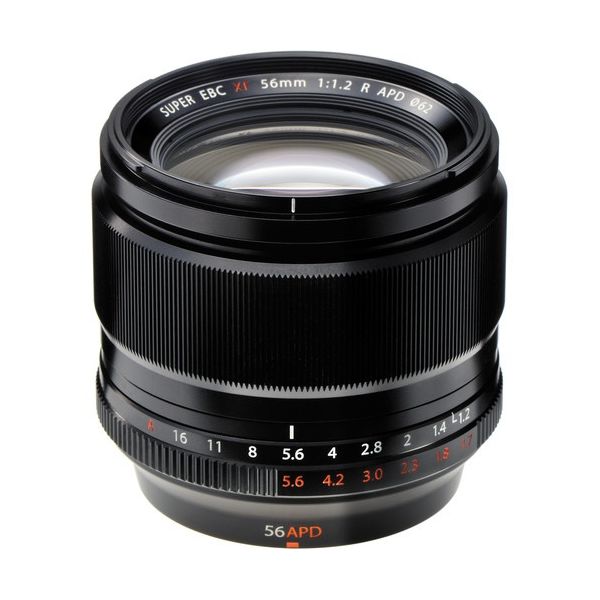
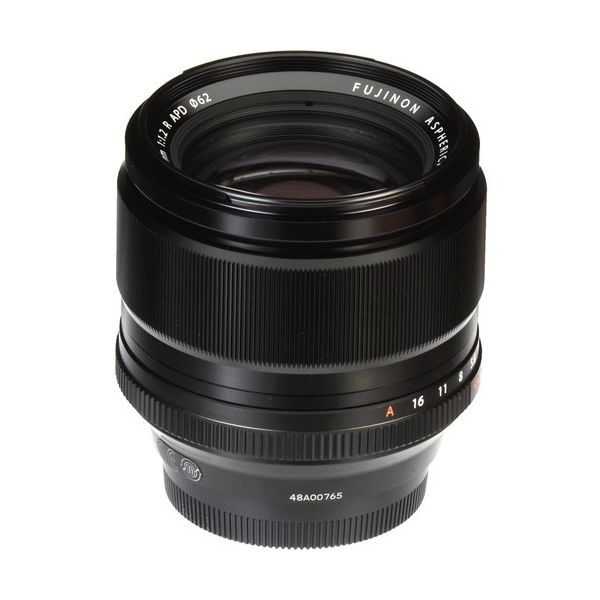
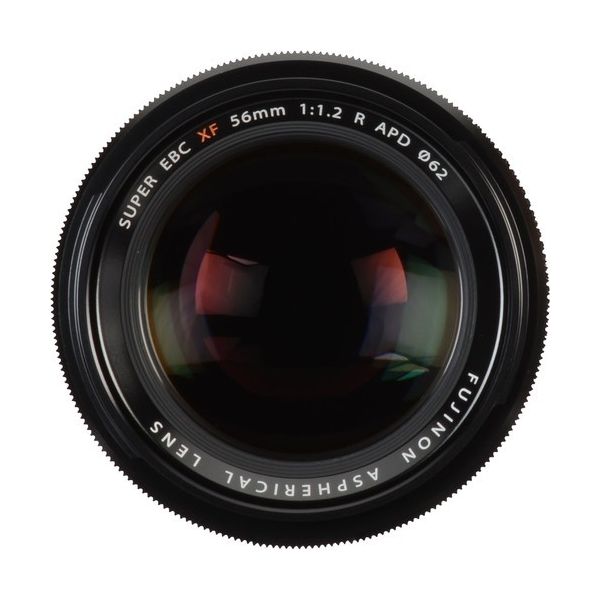
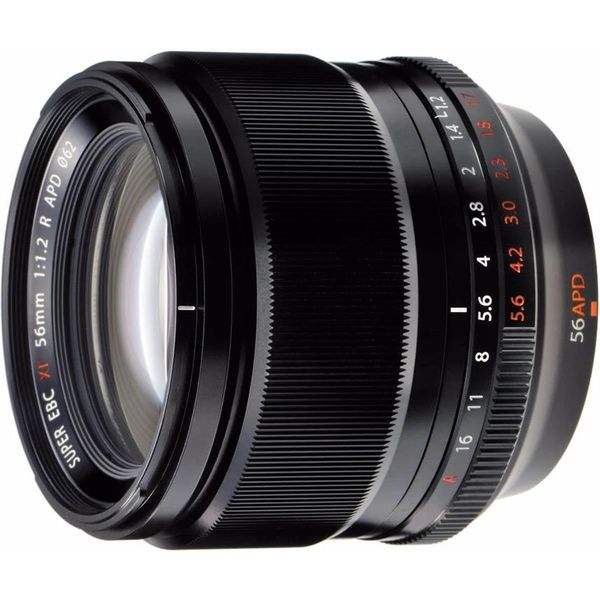

 $1,885.00 - $2,295.00
Reviews
Show product page
7 years ago
Fujinon XF 56mm f/1.2 R APD ( Fujifilm ) - Review / Test Report
So is the Fujinon XF 56mm f/1.2 R APD the magician that it is supposed to be? Well, to some degree at least. I reckon the sample images showed you that the bokeh is mostly as smooth as silk except in really difficult scenes (where most conventional lenses would fail as well).
8 years ago
Fujifilm Fujinon XF 56mm f/1.2 R APD Lens - BRAND NEW review
My relationship with this lens is complicated. While I L O V E the bokeh from this lens I find it very hard to get sharp pictures, I understand that when shooting at 1.2/1.4 the depth of filed is very very thin, but still, even when the shutter is at 1/1000th of a second and the subject is not...
8 years ago
Fujifilm Fujinon XF 56mm f/1.2 R APD Lens - BRAND NEW review
This is an in-depth review of the Fujifilm XF 56mm f/1.2 R lens made for Fuji's line of X-Series cameras. This short telephoto lens (85mm full-frame equivalent) was released in February of 2014 and quickly became known as one of the best prime portrait lenses on the market, mirrorless or...
8 years ago
Fujifilm Fujinon XF 56mm f/1.2 R APD Lens - BRAND NEW review
Fujifilm has two 56mm lenses for their X Series cameras, and although the APD is near identical in spec, it’s hiding a secret its rivals can’t compete with... APD stands for apodization filter, an inclusion that makes the bokeh smoother than a regular lens.
9 years ago
Fujifilm Fujinon XF 56mm f/1.2 R APD Lens - BRAND NEW review
Beautiful lens for portraits, excellent build quality. Autofocus is a little slow but no regrets.
10 years ago
Fujifilm Fujinon XF 56mm f/1.2 R APD Lens - BRAND NEW review
The smooth bokeh produced by the XF 56mm f/1.2 R APD lens will attract photographers interested in portraiture.
10 years ago
Fujifilm Fujinon XF 56mm f/1.2 R APD Lens - BRAND NEW review
This telephoto lens for the Fujifilm X-series interchangeable lens cameras, may seem familiar, as it's virtually the same as the current 56mm f/1.2 , which provides a field of view equivalent to an 84mm lens on a 35mm camera, sports a very bright f/1.2 maximum aperture and costs around £750.
10 years ago
Fujifilm Fujinon XF 56mm f/1.2 R APD (Review Fujifilm XF 56mm f/1.2 R APD)
The Fujifilm Fujinon XF 56mm f/1.2 R APD is a unique portrait lens that uses a special filter to smooth backgrounds, but it carries a hefty premium over the standard version of the lens.
Pros:
- Very sharp., Capable of extremely shallow depth of field., APD filter smooths background blur., Physical aperture control., Minimal distortion.
Cons:
- APD filter limits light gathering., Expensive., Omits optical stabilization., Can be slow to focus.

11 years ago
FUJIFILM XF 56mm f/1.2 R APD Lens - Brand New review
Fujifilm's 56mm f/1.2 is one of the brightest autofocus lenses out there, but is it worth $1,000?
11 years ago
Fujifilm Fujinon XF 56mm f/1.2 R APD Review
The Fujifilm Fujinon XF 56mm f/1.2 R APD is a unique portrait lens that uses a special filter to smooth backgrounds, but it carries a hefty premium over the standard version of the lens. Fujifilm has been very aggressive in releasing lenses for its fairly young X camera system, and many a portrait photographer jumped on the Fujinon XF 56m f/1.2 R ($999.95) when it came out early last year. So it surprised many when the company announced the XF 56mm f/1.2 R APD ($1,499.95) less than a year later. The APD designation indicates the lens has an apodization filter, which cuts out a bit of light, but smooths backgrounds so images are captured with pleasing bokeh. The filter comes at a hefty premium, so you'll have to think long and hard if it's worth it to you. The APD version of the lens is still excellent, even when shot wide open, but it's tough to justify the premium price, especially when the standard version of the lens is so good in its own right. The prime lens pairs well with most of Fujifilm's mirrorless camera line, including the X-E2 ($459.90 at Amazon)(Opens in a new window) and X-T1 ($1,299.00 at Amazon)(Opens in a new window) . It measures 2.7 by 2.9 inch...
Pros:
- Very sharp
- Capable of extremely shallow depth of field
- APD filter smooths background blur
- Physical aperture control
- Minimal distortion
Cons:
- APD filter limits light gathering
- Expensive
- Omits optical stabilization
- Can be slow to focus
4.4
from 15 reviews
5
25.0%
4
75.0%
3
0.0%
2
0.0%
1
0.0%

